
Antioxidant Foods for Disease Prevention
Fall colors are here in Colorado with the bounty of the fall harvests. Pumpkin, squash, beets, turnips, kale and other greens brighten the cloudy days and get us in the mood for soups and stews. These colors are nature’s way of enticing us to eat the foods that help support our cells. The dark and rich colors in fruits and vegetables represent antioxidants, powerful compounds that help protect your body from cell damage, aging and inflammation.
Epidemiological prospective studies show that consuming higher amounts of antioxidant-rich fruits and vegetables is associated with a lower risk of cardiovascular disease, cancer and deaths of all causes. (1) The next time you sit down to meal-plan, consider a colorful plate. In this newsletter we share some of our favorite antioxidant- rich foods, full of vitamin C, vitamin E, beta-carotene, selenium, zinc, and phenolic compounds – think berries and red wine!
Look for bright colors and focus on getting 4-5 servings of these foods into your meals and snacks each day.
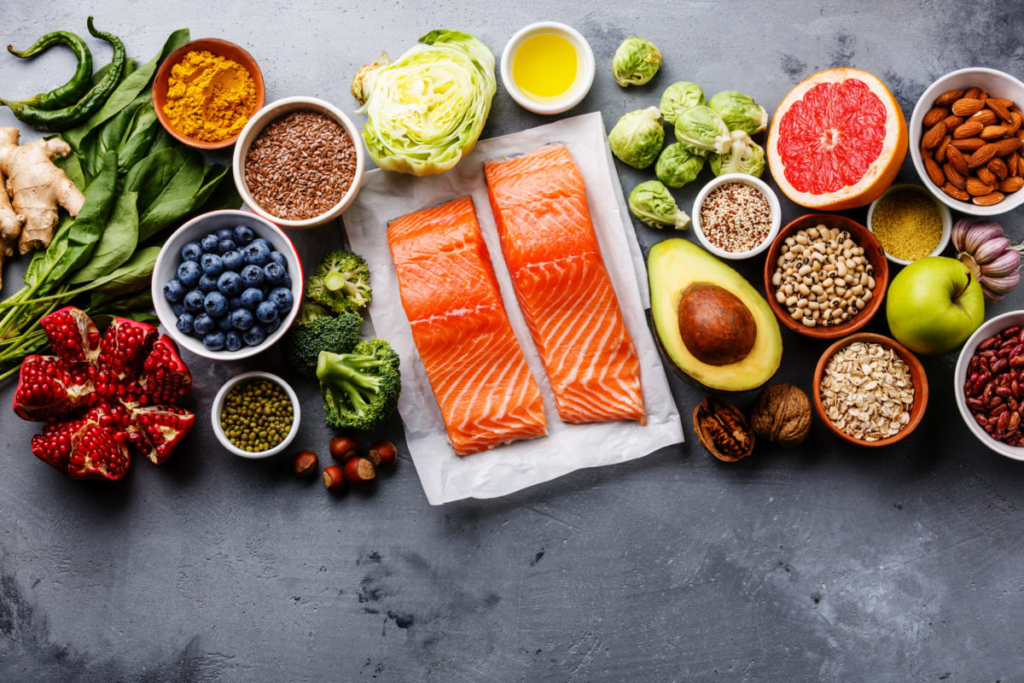
- Vitamin C: Bell peppers (all colors), Chili Peppers, Broccoli, Cauliflower, Cabbage, Brussels’ Sprouts, Kohlrabi, Leafy Greens (Kale, Mustard Spinach, Turnip Greens, Beet Greens, Dandelion Greens, Swiss Chard, Watercress) Kiwi fruit, Strawberries, Pineapple, Lemons
- Vitamin E: Almonds, Avocado, Leafy Greens (Swiss Chard, Spinach), Red Peppers, Sunflower Seeds, Peanuts
- Selenium: Brazil Nuts, Fish & Shellfish, Beef, Poultry, Brown Rice, Shiitake Mushrooms, Pinto Beans, Navy Beans
- Zinc: Oysters, Liver, Beef, Lamb, Bison, Crab, Cheese (Swiss, Edam, Fontina, Gruyere, Grated Parmesan, Cheddar), Palm Hearts
- Polyphenols: Apples, Onions, Dark Berries (Blackberries, Blueberries, Raspberries), Pomegranate, Cruciferous Vegetables (Kale, Broccoli, Cauliflower, Cabbage, Bok Choy, Radishes), Chicory & Endive, & Grapes & Red Wine
- Glutathione: Known as the “Master Antioxidant,” glutathione is made by your body in your liver. Spinach, Avocado & Asparagus contain glutathione, but it doesn’t absorb well through the digestive tract. Instead, add milk thistle tea and turmeric as well as meat, poultry, fish and cheese (if tolerated).
Reduce your exposure to external free radicals. Your body makes free radicals, but free radicals also come from exposure to smoke and other chemicals. Eat organic foods as often as possible, wash your fruits and vegetables before consuming and change air filters in your home quarterly. Avoid these sources that contribute to free radicals in your body:
- Smoke (including cigarette/marijuana smoke)
- Pollution
- Pesticides and industrial chemicals
- Overheated or unsafe oils
- Charred meats from high-heat cooking like grilling
- Added sugars
Check your oils and cooking fats. Industrial seed oils go through an extraction process using high heats and chemicals that damage the fat molecules and create free radicals when you consume them. Follow these guidelines for safely using oils and fats:
- Oils should be unrefined and cold pressed. Liquid oils, such as olive oil, should be stored in dark glass containers in a cool, dark location.
- Solid fats like ghee, butter and coconut oil perform better at high temperatures like roasting in an oven.
- Animal fats should be from organic, grass-fed sources.
- Olive oil and avocado oil are better medium-temperature cooking oils.
- Finish salads, soups or cooked vegetables with gentle oils, such as truffle, flaxseed, or walnut oil.
- Avoid trans fats or hydrogenated fats, such as Crisco or margarine.
- Avoid processed foods that contain oils from canola, safflower, corn, cottonseed, soybean oil.
Leave a Reply
Want to join the discussion?Feel free to contribute!